
New Rules of Retail
Getting on the shelf is no longer the finish line–it’s just the beginning. For emerging food and beverage brands, landing a retail placement is a huge milestone while also instilling a lot of pressure to perform. In 2025, retail buyers aren’t just looking for good products, they’re looking for proof of demand, flawless execution, and strong alignment with consumer trends. Retail buyers (the all-encompassing term we’ll be using), also referred to as category buyers, category managers, or grocery buyers, are the professionals that select, purchase, and manage the inventory of a retail store. They’re the gatekeepers of both consumer interest and retail margin stability. Their expectations have evolved in step with the market.
Retail buyers today are balancing hundreds of product pitches while being held accountable for product turnover, merchandising performance, and financial results. They need to know that your brand can move off the shelf and bring customers back for repeat purchases. That means storytelling, while hugely important to a brand, is not enough. You need to pair compelling brand identity with strong data, proven marketing support, and the operational infrastructure to scale successfully.
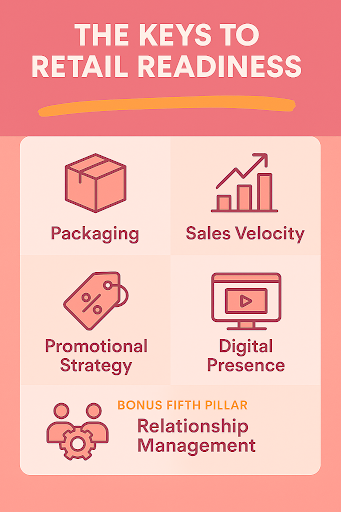
In this article, we break down the four most important areas of retail readiness from the buyer’s perspective: packaging, sales velocity, promotional strategy, and digital presence. We also include a bonus fifth pillar, relationship management, that is often overlooked.
Packaging that Sells on Shelf and Screen
Packaging is a product’s first impression, and in retail it has to work hard in less than three seconds. Retail buyers are evaluating whether your design stands out without overwhelming, communicates benefits clearly, and fits their category of assortment in a modern, relevant way. Great packaging isn’t about being the loudest. It’s about clarity, distinction, and consistency across every touchpoint.
Retail buyers also look at how your packaging performs digitally. Can your label be read clearly in a thumbnail image? Does the design pop in Instagram ads or influencer content? As online-to-offline shopping behavior grows, visual storytelling across digital and in-store must align.
While packaging trends span from minimalist, type-only design to bold, colorful illustrations, the key is execution and category awareness. Amy Park, Founder and Lead Graphic Designer of Gold Spark Design, encourages brands to consider today’s winning approach that often blends simplicity with boldness. Fewer, more impactful callouts, standout typography, and intentional use of color make a product both recognizable and memorable.
Amy shared how The Sourdough Pasta Kitchen packaging design (shown below) aligns with those characteristics. “I wanted the consumer to instantly know that this product has Italian roots, but I kept it on-trend with the punchiness factor. These two qualities are achieved in several ways: classic Art Deco Italian-style fonts, displayed big and bold as the focal point; wide stripes as a backdrop; a simple yet standout color palette, reminiscent of Italy; and just a few sticker-style callouts.”
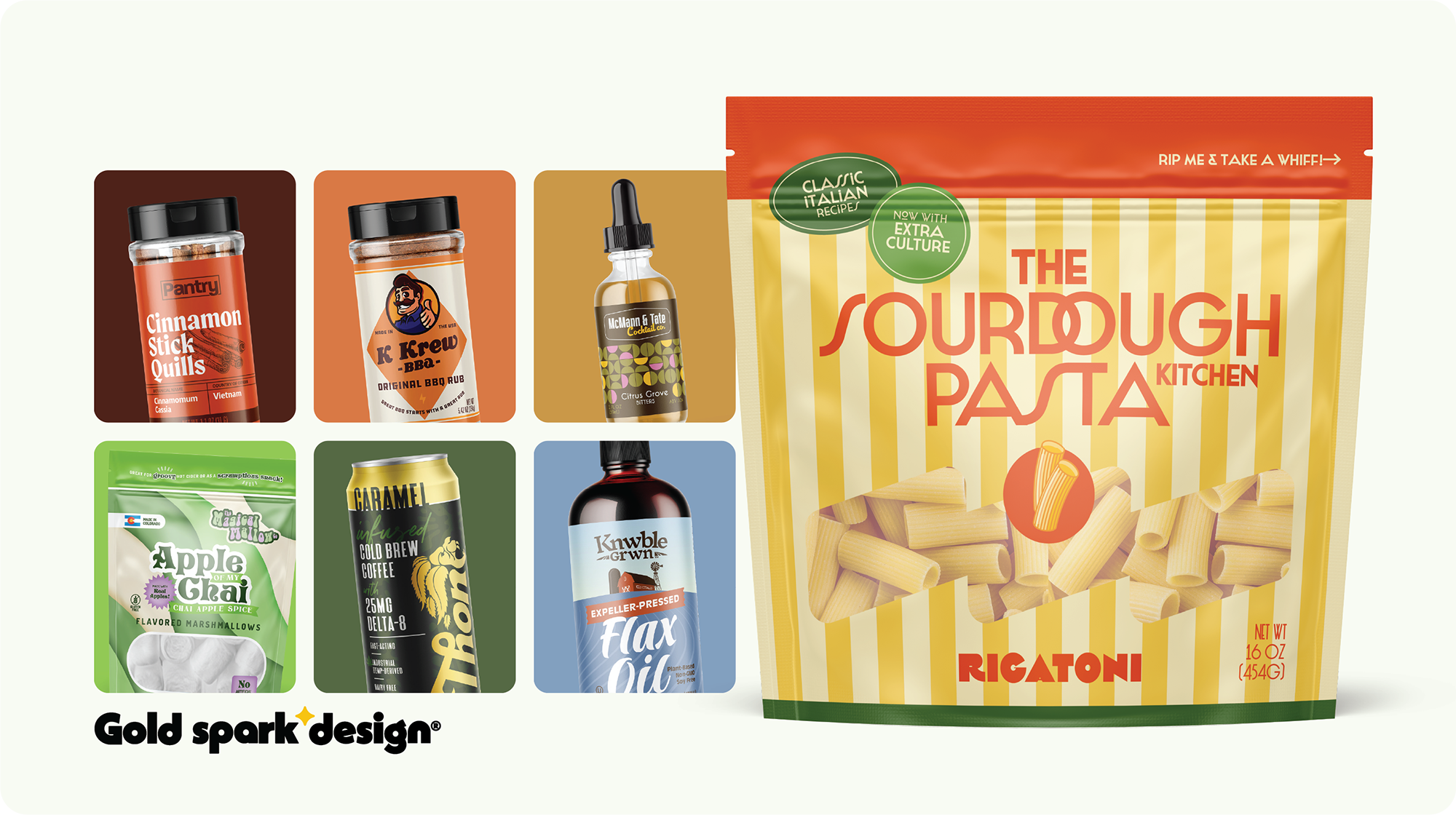
Image from Gold Spark Design.
If your current packaging isn’t up to snuff, a well-executed repackaging campaign can breathe new life into your product. Even subtle updates, like improved information, premium photography, or new typography, can signal momentum and maturity. A refreshed look also offers a strategic moment to reinforce your brand story or highlight new features. We explored this in detail in our Successful CPG Repackaging blog post, which includes examples of brands that successfully used new packaging to reposition themselves and drive new growth.
Ghia, a non-alcoholic aperitif brand with sophisticated, modern packaging performs beautifully online and on-shelf. Their clean, architectural bottle and high-end label design reinforce the brands premium positioning while keeping the aesthetic minimal enough for strong shelf contrast. The brand has also created cohesive digital content that mirrors their physical packaging, reinforcing their identity across platforms
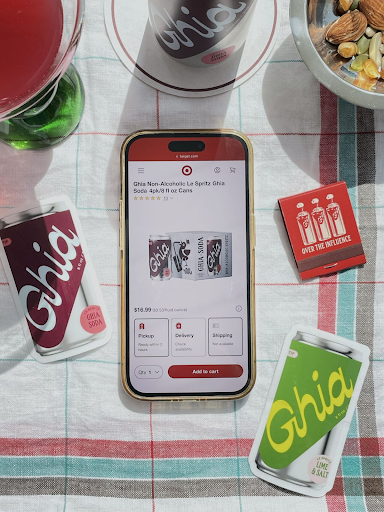
Image from Ghia’s LinkedIn.
@drinkghia We’re available in 600+ Target stores nationwide and on the shelf at 100's of small independent shops across the country ✨ #drinkghia #nonalcoholicdrink #ghia #targetfinds #erewhon ♬ My Girl Wukileak - wüki
Take the time to audit your packaging through the lens of retail photography. Simulate how your product looks on a crowded shelf, in e-commerce thumbnails, and in influencer content. If you can’t identify key product benefits at a glance, it may be time to redesign for conversion, not just style.
Proven Velocity and Repeat Purchase Potential
Velocity is the language retail buyers speak. Before taking a chance on an emerging brand, they want to know that it will move. In addition to having a great story, beautiful branding, and founder passion, your product needs to consistently sell through at the store level.
Retail buyers look for signs of proven traction, demonstrated by direct-to-consumer (DTC) reorder rates, product-specific customer reviews, or existing retail performance in smaller formats. They also look at profit margin structure, promotional lift potential (the increase in sales or customer engagement directly resulting from a specific promotion or marketing campaign), and whether you can scale production if demand spikes.
Mid-Day Squares is a great example of using DTC to back up retail expansion. The brand routinely shares reorder stats and customer loyalty data with retail buyers, demonstrating that their customers don’t just try – they come back. Their transparent, data-first approach has helped them land major retail placements by showing the long-term pull the brand has.
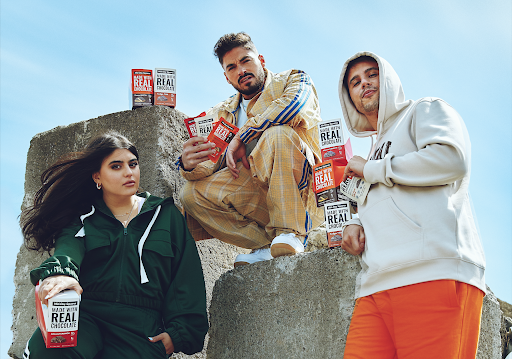
Image from Crisp.
If you aren’t already, track units-per-store-per-week (UPSPW) and collect reorder data. While teams can track this manually on a spreadsheet, there are great software options like Mammoth and Crisp that can track analytics and create a velocity dashboard for your retail pitches. Even if it’s only based on online sales or regional indie retailers, it still demonstrates enough velocity to limit any buyer apprehension. As a bonus, include evidence that your product moves without any deep discounting.
Promotional Planning and Trade Spend Readiness
Retail buyers want to know you’re ready to support the product once it’s on the shelf. That means having a clear understanding of trade spend:
Temporary price reductions (TPRs): Temporary decreases in the regular retail price of a product to entice shoppers. Also known as price discounts.
In-store demos: Showcasing and explaining a product to customers within a retail environment.
Co-marketing campaigns: Two or more businesses collaborating to promote each other’s products, leveraging combined resources and audiences to achieve greater reach.
Digital-to-retail couponing: Offering and redeeming coupons through digital channels, like website, apps, and email.
Promotions aren’t just a line item, they’re a signal that your brand is invested in performance and not just placement.
Brands should be prepared with a promotional calendar tailored to the retailer’s planning cycles. That includes suggested timing for discounts, the percentage or dollar amount of proposed reductions, and how you’ll support those discounts with awareness-driving tactics like email, influencer content, or geo-targeted digital ads that deliver the campaign to users based on their geographic location.
In-store tastings are still one of the most powerful tools for discovery, especially for unfamiliar formats or ingredients. Willingness to execute tastings, especially during launch windows, signals that your brand is serious about sell-through.
Partake Foods exemplifies smart, strategic retail support. They’ve leveraged in-store sampling to drive interest while maintaining premium positioning. Instead of leaning too hard on price cuts, they used co-branding promotions to drive awareness during key seasonal moments, building loyalty without eroding value. A co-branding promotion pairs two complementary brands in a shared marketing effort in a way that allows each one to tap into the other’s audience, as seen with Partake Foods and Elavi collaborating to create a limited edition s’mores kit for the summer months.
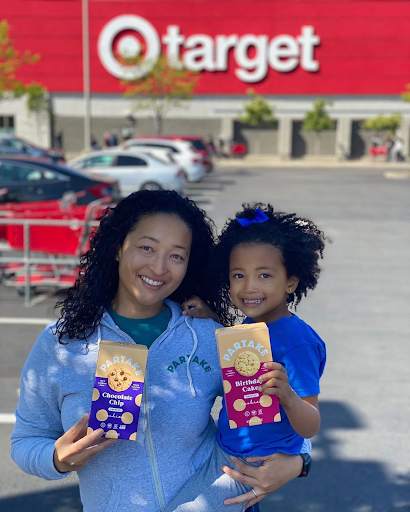
Image from Partake Foods.
For brands looking to enter the retail space, build a promotional toolkit before your first pitch. Include budget ranges for trade support, sampling plans, and creative ideas for store-level activation. Showing up prepared makes retail buyers more confident in your ability to launch successfully.
Digital Presence that Drives Foot Traffic
In today’s omnichannel retail environment, your digital presence is part of your shelf strategy. Retail buyers want to know that your brand can bring customers into stores through organic buzz, influencer campaigns, and social media engagement.
This doesn’t mean you need hundreds of thousands of followers. Instead, retail buyers are looking for quality engagement – community-driven content, real customer reviews, and clear calls-to-action that lead fans to retailers. If you have people commenting, “Where can I find this near me?” screenshot it to include in your pitch.
Omsom is a great example of digital-to-retail branding. Their engaged online community, bold social content, and values-led messaging created real demand that retail buyers couldn’t ignore. Omsom didn’t just ask for shelf space, they built so much online momentum that stores wanted to stock them.
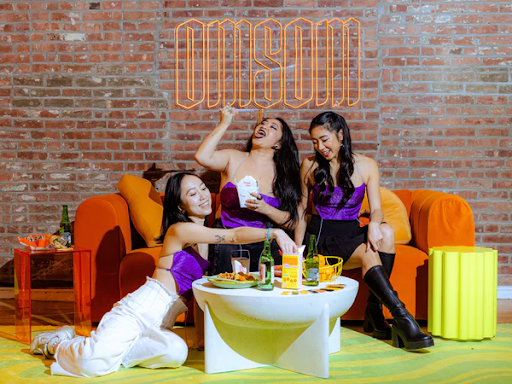
Image from Omsom.
Be sure you’re tracking engagement tied to store discovery, such as comments, DMs, geo-tagged user generated content (UGC), and coupon redemptions. Show retail buyers that your digital efforts don’t just build brand, but also drive foot traffic.
One Step Further: Prepare for Meetings, Relationship Building, and Follow-Through
Beyond packaging, velocity, and digital buzz, retail buyers are human. They remember how you connect with them and follow through. Brands that maintain momentum post-launch with regular performance updates, clear communication, and proactive support stand out.
When preparing for a retailer buyer meeting, first impressions matter, but so does substance. Buyers are evaluating whether your brand is not only compelling, but strategically aligned with their goals. Joseph Tarnowski, VP of Content at ECRM and Rangeme shared the following tips to help approach the conversation with confidence:
Research the retailer and buyer. Before the meeting, understand the retailer’s customer base, pricing tiers, competitive set, and category goals. Study how your product would fit in. If possible, learn who the buyer is and what categories they manage.
Present in terms of the buyer’s needs. Instead of focusing solely on your brand story or passion, position your product in the context of the retailer’s goals. Identify potential gaps in the category and explain how your product addresses those unmet needs.
Be transparent. Be upfront about your production capacity, current distribution, and trade budget. Share honestly about what your company both can and cannot do at this time. Clear expectations build trust and show professionalism.
Demonstrate how the product will drive sales. Outline how you plan to promote your product post-launch. Bring materials to show that you’re ready with a full-funnel plan, not just placement.
Reliability, responsiveness, and readiness go a long way. A buyer's worst nightmare is a promising brand that flakes under pressure. Showing up like a true partner can open doors faster than even the best branding. Remember, this is a marathon, not a sprint. Deals don’t happen in the first meeting and retail buyers will want to meet several times to ensure the brand is secure.
Set a post-launch follow-up cadence in advance. Build a shared tracking doc with your buyer and keep communication consistent. Strong relationships are earned through performance and professionalism.
“Remember, just because a buyer says NO for now, it’s likely not a NO forever.”
Final Thoughts
Retail success doesn’t come from having the best product alone, it comes from also being the best-prepared brand. Today’s retail buyers are under pressure to deliver margins, innovation, and consistency. Emerging brands that understand this ecosystem are the ones that break through.
Whether you’re preparing for your first pitch or expanding nationally, retail readiness is more than being shelf-worthy. It’s about being strategy-ready. Here is a recap of how to get your brand retail ready:
Ensuring your packaging is clear, distinct, and consistent.
Compile sales data to demonstrate your brand has proven velocity and consistent sell through.
Create a promotional plan that shows how you plan to support the brand once in stores.
Build a digital presence that is authentic and proves quality engagement with consumers.
Prepare for your meeting, including a brief (2 minute max) deck that leaves plenty of room for discussion.
The most successful emerging brands treat every interaction with retailer buyers, consumers, and partners as an opportunity to build trust and demonstrate value. By pairing a strong story with operational readiness, data-driven results, and authentic relationship-building, you position your brands not just to earn placement, but to thrive once you get it.
Julee Ho Media is a boutique photography company specializing in CPG, food and beverage brands. Click here to get a quote and discover how we can help elevate your brand.
Continue learning:









Want more content like this? Subscribe to our monthly Food Marketing Newsletter!
More resources: