

Why Social Media Trends Matter for CPG
For small and mid-sized CPG food and beverage brands, social media has become one of the most powerful and accessible tools for growth. A decade ago, it was enough to post polished product photos and occasional brand updates, but in 2025 and 2026, the rules are changing faster than ever. Platforms like TikTok and Instagram no longer reward polish alone. Instead, consumers are rewarding brands that can stay culturally relevant, playful, and human in the way they show up online.
The speed at which trends emerge and fade makes it both exciting and challenging for brands. A format that feels fresh in spring can be overdone by summer, and a meme that resonates with Gen Z might completely miss the mark with millennial parents. For brands that want to thrive, keeping a pulse on these shifts isn’t about blindly following what’s popular–it’s about knowing which trends to adapt to your voice and category in order to stay relevant without seeming opportunistic.
At its best, trend participation is about leveraging the cultural energy of the moment to deepen consumer connection, spark brand discovery, and show that your product belongs in the conversation. The brands that succeed on social media are the ones that understand how to filter trends through their identity, ensuring they resonate with the right audience at the right time.
In this article, we’ll explore the key social media trends shaping food and beverage marketing in 2025. We’ll cover visual shifts, pop culture crossovers, storytelling themes, and the evolving lexicon consumers are using online. And because social media is always forward-looking, we’ll also take a peek at what’s like to dominate as we head into fall.
Recipe Trends
In 2025, recipes have become more than instructions. They’re cultural currency on social media. Nostalgic comfort foods and global fusion dishes are dominating feeds, giving consumers a way to participate in exciting trends from their own homes. “Girl dinner”-style charcuterie boards are evolving into hyper-specific meal aesthetics, like “protein-rich fun breakfasts” that are designed for shareability.
Simultaneously, recipe content is leaning into authenticity and imperfection: messy plating or quick voiceovers that sound like talking to a friend. For CPG food and beverage brands, recipes remain a powerful tool to showcase versatility by highlighting a functional ingredient in a smoothie, showing playful pairings for special events, or collaborating with creators to give products a new spin. When brands position their products as the hero in these cultural recipe moments, they insert themselves into consumer lifestyles in a way that feels organic.
Beyond visuals and cultural references, recipe content itself is driving much of what consumers cook, share, and save online. Those habits are shaping product demand in retail. Social media has become a test kitchen where new flavors, techniques, and ingredient combinations gain traction quickly, often setting the stage for the next wave of CPG innovation. The following recipe trends aren’t just fleeting, they reflect deeper shifts in how consumers want to eat, blending creativity, comfort, and functionality in ways that will continue well into 2026.
Global Flavor Fusion & Regional Ingredients: Dishes leveraging bold, localized flavors are increasingly appearing in cooking tutorials and recipe content. They aren’t just exotic flavors, they’re being blended into comfort foods, snacks, and even breakfast routines. For example, Trader Joe’s ube mochi pancake mix brought a Filipino staple into an easy breakfast format that was accessible and went viral on TikTok.
Novel Texture and Crunch: The craving for textural contrast continues to grow–freeze-dried candies, crunchy toppings, and crispy coatings are all crunch moments that are getting a lot of engagement. Freeze-dried candy, especially Skittles, swept social media by storm, with creators highlighting the delicious new crunch.
Comfort, Nostalgia, and Elevated Classics: Classic recipes are being reimagined in nostalgic ways with slight twists. Think simpler recipes that feel familiar but are visually interesting or taste-upgraded. Cinnamon Toast Crunch milkshakes became a trending nostalgic recipe, blending childhood cereal in a classic dessert enjoyed by all.
Plant-Based and Functional Twists in Recipes: Whether it’s plant-based proteins, incorporated adaptogens, or boosting recipes with prebiotics, people want more from what they eat. Recipes that integrate wellness ingredients without feeling like medical advice are winning. Poppi’s prebiotic soda is frequently incorporated into mocktail recipe videos, showcasing a functional twist on beverage staples.
“Easy” Recipe / “Hacks”: Low-effort recipes remain popular. Things like dump cakes, one-pan dishes, and elevated instant noodles are showing strong interest. The “Cottage Cheese Ice Cream” hack swept TikTok, going viral as a quick, high-protein frozen dessert with few ingredients.
Customization and Beverage Toppers: Recipes/drinks with custom foams, whipped toppings, or add-ons that let customers “decorate” their drink or snack for extra visual appeal are hot right now. The personalization and variation makes these recipes a hit as every iteration is slightly different. Boba Guys is digging in to this trend, offering boba kits that reflect their customized boba tea toppings that include grass jelly, aloe jelly, and mochi.
Visual Trends
Lo-Fi, “Real” Content Over Polished
The way consumers engage with content has shifted dramatically over the years, and visuals are at the center of this change. Highly polished studio shots are incredibly valuable, but authenticity and relatability are also driving forces. Shoppers want to see your product in the real world, used by real people, with all the quirks that come along with it. Lo-fi doesn’t mean sloppy; it means human, and that’s what’s resonating across platforms like TikTok and Instagram.
One of the biggest visual shifts is towards lo-fi, “real” content. Think short, handheld clips of someone tearing open a snack, pouring a drink over ice, or tossing a product into a grocery cart. The production value feels minimal, and the relatability is high. This style of content allows consumers to feel like they’re part of the experience rather than being marketed to.
Bold Color Blocking & Retro Aesthetics
Another trend dominating 2025 is the return of bold color blocking and retro aesthetics. Bright pinks, oranges, and throwback palettes inspired by the late ‘90s and early 2000s are showing up everywhere. This nostalgic style connects with younger generations, who see it as playful, and millennials, who associate it with their childhoods. For food and beverage brands, this can be vibrant product backdrops or retro typography that tie your product back to the era.
Ice cream brand Magnum tapped into this trend with a bold, dandelion yellow palette for a collab with skincare brand rhode. The singular color made the campaign feel like the new era of retro.
Julee Ho Media has long embraced the bold color-blocking trend, using it to create striking visuals that demand attention. In this shoot with Alpha Foods, vibrant blocks of color build dynamic contrast while still keeping the product front and center.
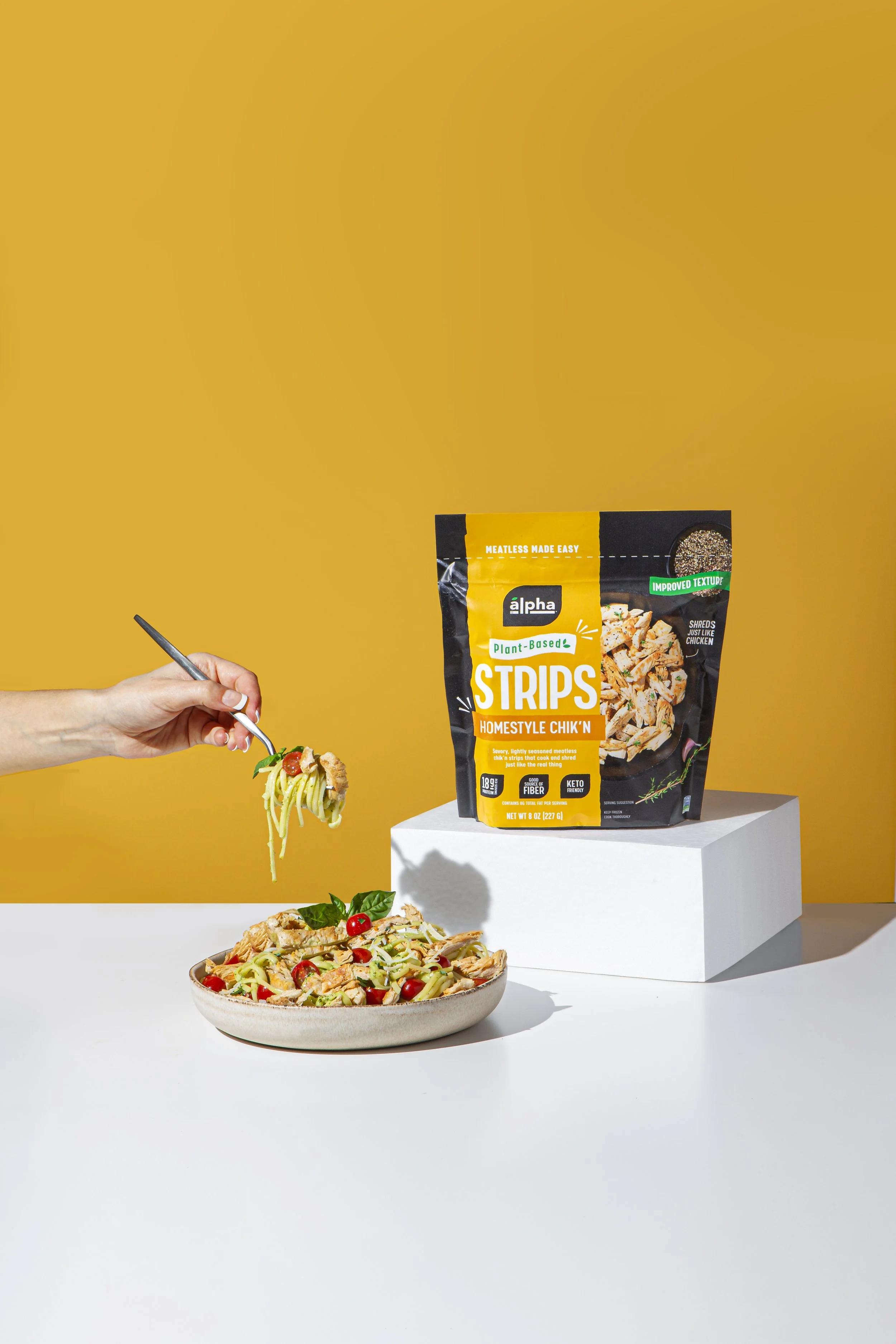
Image from Julee Ho Media.
Hyper-Close Food Shots
Food itself has also become a character in content, with hyper-close food shots making their way into trending content. From the melty drip of chocolate to the ASMR crunch of a chip, sensory-driven clips bring life to your product in a way that words can’t. These visuals tap into multiple senses at once, making viewers feel like they can taste, smell, and even feel the texture of the food through the screen. With attention spans getting shorter, a single well-executed “bite shot” can be more powerful than a 30-second ad.
These visual trends aren’t just about aesthetics, they tie back to consumer psychology. A lo-fi video feels like transparency. Retro styling is comfort and nostalgia. Hyper-close food shots drive satisfaction. Each choice you make in how your brand is presented online creates a subtle but important cue for how consumers can connect with your product.
For smaller CPG brands, remember that you don’t need a huge production budget to compete visually. Leaning into scrappy but strategic visuals can make you feel more authentic to today’s audiences. Consistency is the key. If you embrace lo-fi content, make sure it aligns with your brand aesthetic and ideal client profile (ICP). If you experiment with retro styling, keep the colors and fonts consistent across channels to prevent it looking like a one-off experiment.
Pop Culture References and Collabs
Pop culture has always influenced marketing, but in 2025, the pace and scope of crossover is faster than ever. With memes, celebrity moments, and entertainment hits dominating social feeds, food and beverage brands can’t afford to sit on the sidelines. Instead of carefully curated campaigns that take months to develop, brands are gaining traction by reacting quickly to cultural moments and using them to create content that feels playful and relevant.
Pop Culture “In-Jokes”
One of the biggest shifts is the rise of pop culture “in-jokes.” These are moments when brands tap into trending memes or phrases that their audience is already talking about. For instance, during the Barbie craze in 2023, brands were creating pink-themed content or Barbie-inspired product shots to ride the wave. In 2025, new cultural anchors, like hit shows, viral songs, and celebrity moments, are driving the same behavior. The trick is to adapt these references in a way that feels organic to your brand.
Michelob Ultra combined two different approaches to pop culture relevancy with their Super Bowl commercial. First, the brand tapped popular athletes from the NBA, NFL, and Olympics to participate in the campaign. Then, they leveraged the explosion in pickleball popularity to show stars Willem Dafoe and Catherine O’Hara challenging athletes to a game where the winner gets the beer. The ad kept the natural alignment between beer and sports while finding a way to make it pertinent to current popular moments.
A more recent example is the engagement announcement between Taylor Swift and Travis Kelce, which sparked playful brand content across CPG food and beverage. Beverage brand Poppi mocked up special cans that reflected the personalities Swift and Kelce referenced in their engagement post. Posts like these don’t need a big budget–just a quick, relevant nod that makes fans feel like the brand is “in on it” with them.
Another example of leveraging the Taylor x Travis hype is this AI-generated image Julee Ho Media created for a popcorn client. Pop culture moments like this give brands huge creative license to tie into the moment in a way that makes the most sense for them and their audience.
Unexpected Collabs
Another major trend is the explosion of unexpected collaborations. Consumers are no longer surprised when a food brand partners with another food brand. What is exciting are mashups that cross into fashion, beauty, or lifestyle. Think about Evian joining forces with fashion brand Coperni to create luxury water bottles adorned with constellation-inspired, fashion-forward designs. These collaborations generate buzz not just because of the product, but because they feel like cultural events bringing together two fan bases in surprising ways.
Collabs also serve as a way for smaller brands to borrow cultural equity. A snack brand partnering with a streetwear company taps into audiences that may not have considered the product otherwise. For bigger brands, these crossovers keep them relevant and connected to a younger culture, where novelty and humor have more of an impact than tradition.
Refrigerator staple Hidden Valley Ranch announced a collaboration with fashion designer Emma Gage to reimagine the bottles and seasoning packets to have a more whimsical, artistic design. This partnership between brands that feels opposing makes for a memorable campaign that opens up audiences for both.
The lesson here isn’t to chase every pop culture moment or collaboration opportunity. Instead, find the ones that align with your brand identity. A family-focused brand probably shouldn’t make an edgy meme about a celebrity scandal, but they can ride the wave of a nostalgic TV reboot. The best campaigns are the ones where the cultural reference feels like a natural extension of the brand’s voice.
Themes & Storytelling Angles
Strong visuals and cultural relevance are only part of the equation. How a brand tells its story ultimately determines whether consumers feel a connection. In 2025, emerging brands are leaning into fresh narrative angles that cut through oversaturated feeds while resonating with the values of their target audience.
“Anti” Messaging
Not every consumer connects with polish positivity, and brands are starting to recognize that. Increasingly, food and beverage companies are leaning into irony, self-awareness, and even contrarian messaging to grab attention. These campaigns work because they feel fresh and authentic in contrast to the predictable seasonal cheer or general positivity that floods the market. By leaning into nontraditional voices–whether humorous, sarcastic, or boldly rebellious–brands can cut through the clutter and create a memorable connection with audiences who are craving something different.
Wellness but Make It Fun
The wellness category has shifted from benign clinical and overly functional to lighthearted and accessible. Instead of leaning on jargon-heavy campaigns, brands are using humor and meme culture to make health approachable. It’s the reason that prebiotic sodas are resonating with audiences: they combine better-for-you positioning with messaging that feels fun and socially shareable. Make wellness something consumers want to talk about, not something they feel lectured into.
LA pillar Erewhon leaned into this sense of humor by partnering with a “forest friendly” toilet paper brand and creating a C.R.A.P. smoothie–coconut, raspberry, aloe vera, and probiotics. For a brand already saturated in wellness trends, this was the perfect way to shake up the norm and make a product stand out against the noise.
Transparency & Behind-the-Scenes
We talked about how audiences today expect more than polished product shots. Even more than seeing “real” campaigns, consumers want to see the process, the people, and the imperfections behind a brand. From showing founder stories to giving glimpses of production or openly sharing the challenges of scaling, this type of content builds authenticity and trust. The rise of raw, family-first content creators has only accelerated this trend, proving that unfiltered storytelling often resonates more than staged campaigns. A homemade cooking video featuring a parent and a child using a product, or a founder casually sharing their morning coffee routine with their brand’s creamer, feels more relatable than a glossy ad. Consumers increasingly trust content that looks like it could live on their own feed, and brands are being rewarded for authenticity over perfection.
Omsom captures this trend perfectly with many of their behind-the-scenes videos. This video in particular gives honest insight into the challenges of being a small brand in a way that’s informational, raw, and even a little hopeful. Instead of quietly discontinuing a product like most brands do, they created an honest video explaining why one of their favorite products will no longer be produced.
Lexicon & Phrases Trending
The words brands use matter as much as the visuals they pair them with. Consumers today are gravitating towards language that feels current, culturally aware, and playful. For emerging CPG brands, staying on top of trending lexicon isn’t about chasing every viral moment, but about weaving fresh phrasing into campaigns in a way that is authentic and can remain relevant even when the attention fizzles out.
Conversation Minimalism
Short, punchy words and captions are performing best. Instead of long-winded taglines, brands are leaning into one- or two-word hooks that double as a rallying cry, like “snackable” or “unserious.” This pared-down language matches the fast-scrolling nature of TikTok and Instagram, where consumers want to get the message in seconds.
Electrolyte brand LMNT nailed a minimal yet clever slogan with “Stay Salty.” The phrase neatly ties to the brand’s hydration focus while doubling as a playful nod to internet slang, where “salty” is shorthand for staying annoyed–making it both functional and culturally relevant.
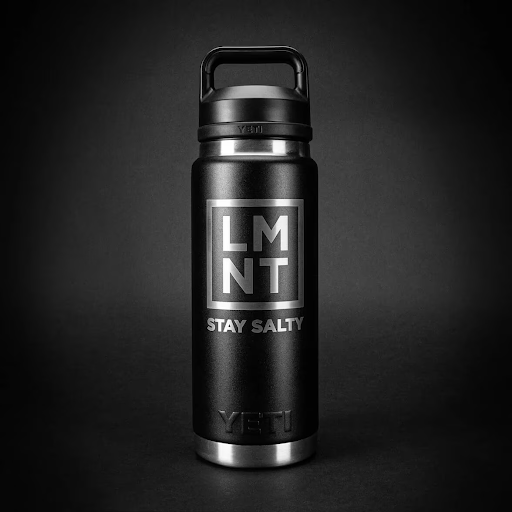
Image from LMNT.
Irony & Hyperbole
The era of self-serious copy is waning. Brands are leveraging exaggerated phrasing and ironic takes to make messaging stick. Viral expressions like “feral girl dinner” (a tongue-in-cheek way of description a chaotic, snack-plate style meal thrown together with little effort) or “delulu is the solulu” (an ironic phrase suggesting that staying “delusional” or overly optimistic is the solution to a problem) may sound niche at first, but they embody a broader desire for humor and relatability. The phrases spread not just because of their literal meaning, but because they capture a collective mood and invite audiences in on the joke. The opportunity for CPG brands is to co-opt these cultural moments in a way that feels clever, not try-hard.
Pop Culture Borrowing
Lexicon today is often borrowed from pop culture–music lyrics, viral video soundbites, or TV show quotes that take on new life online. Brands that remix this phrasing, while staying true to their category, find themselves instantly recognizable. For example, a protein bar could borrow the phrasing “girl dinner, but make it gains” as a nod to a trending joke while highlighting product benefits.
The key is to keep messaging fresh, brief, and in-step with the internet humor cycle, but always filter it through your brand’s core voice. Consumers can tell immediately when language feels forced. The brands that win are the ones who balance cultural fluency with brand authenticity.
What’s Likely Coming This Fall
Looking ahead to Fall 2025, the social media landscape is set to lean even further into three intersecting spaces: hyper-local, cozy seasonality, and ironic escapism.
Hyper-local References
Expect hyper-local references to explode. As communities push back against algorithmic sameness, brands that can authentically tie themselves to regional culture, whether through slang, sports, or neighborhood rituals, will earn more attention. We’re already seeing this with beverage startups dropping “limited regional” flavors or campaigns tied to specific city events.
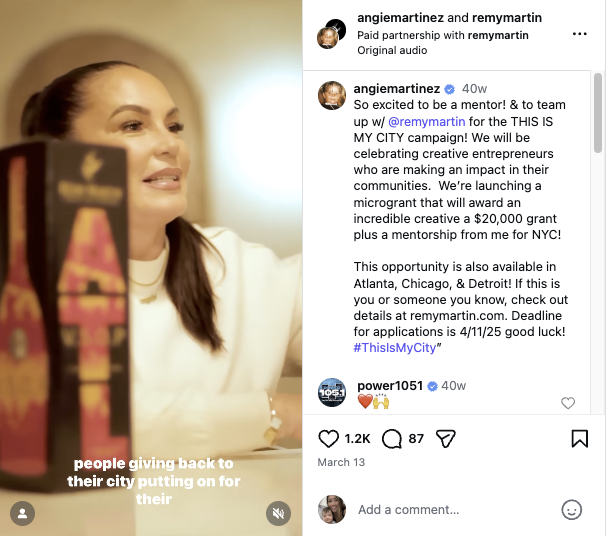
Rémy Martin launched a limited-edition release that showcases the cities that vaulted hip hop into the mainstream music scene. Four iconic cities–Atlanta, Chicago, Detroit, and New York City–received bottle designs that paid tribute to the important work done in the music scene.
Cozy Seasonality
Cozy seasonality will dominate feeds, but with a Gen Z twist. It’s not just about pumpkin spice, it’s about ironic or unexpected fall spins. Think comfort foods rebranded as “sad girl dinners.” CPG brands that can tap into the emotional side of autumn while keeping the humor self-aware will find resonance.
Ironic Escapism
Anticipate ironic escapism as a response to ongoing cultural and economic uncertainty. Social media humor this fall will likely exaggerate the need to check out, embrace delusion, or romanticize everyday moments. For CPG brands, that may mean leaning into campaigns that give permission to indulge, like a mocktail company telling consumers to “romanticize your Tuesday night.”
This fall will reward brands that blend warmth and relatability with sharp cultural awareness. The trick is to maintain authenticity, because while consumers love to love, they can also spot a bandwagon jump from miles away.
Final Thoughts
Social media trends move fast, but the opportunity for CPG food and beverage brands lies in showing up with creativity, cultural awareness, and authenticity. The brands that thrive are the ones that don’t just follow the conversation, they shape it with visuals, storytelling, and language that feels relevant to the moment while staying true to their voice. Here are our key takeaways for brands to keep in mind as they navigate the evolving social media trends landscape:
Lean into sensory-driven content that makes the audience really experience your product.
Tap into cultural anchors, in-jokes, and unexpected collabs to spark engagement, and do it quickly.
Embrace lo-fi, authentic storytelling over polished perfection.
Play with language–irony, hyperbole, and inter phrases–in a way that stays true to your brand.
Keep your brand voice consistent, even when experimenting with trends.
Julee Ho Media is a boutique photography company specializing in CPG, food and beverage brands. Click here to get a quote and discover how we can help elevate your brand.
Continue learning:










Want more content like this? Subscribe to our monthly Food Marketing Newsletter!
More resources: